1
A translucent membrane grows on the macula's surface and shrinks, 'puckering' the retina — that wrinkling distorts what you see
A thin, scar-like membrane forms on the macula's surface and contracts, wrinkling the retina beneath it. The result: blurred or wavy central vision.
The essential facts before we get into treatments.
A translucent membrane grows on the macula's surface and shrinks, 'puckering' the retina — that wrinkling distorts what you see
Usually follows a posterior vitreous detachment: the gel peeling away leaves cells behind that grow into the membrane (70% of ERM patients had a PVD)
Very common, roughly 1 in 11 adults overall, rising steeply with age; most cases are mild or asymptomatic
No drops, supplements, or exercises can remove it, but observation is a legitimate plan for mild cases
Surgery (vitrectomy + membrane peel) is elective, not urgent, and helps most people who need it
These treatments have RCT data or major society guideline backing (AAO, TFOS, AREDS).
The Amsler grid is a useful at-home tool for macular pucker (ERM). The pucker wrinkles the retina, so straight lines can appear wavy or bent — the grid helps you track whether that distortion is stable or worsening between office visits.
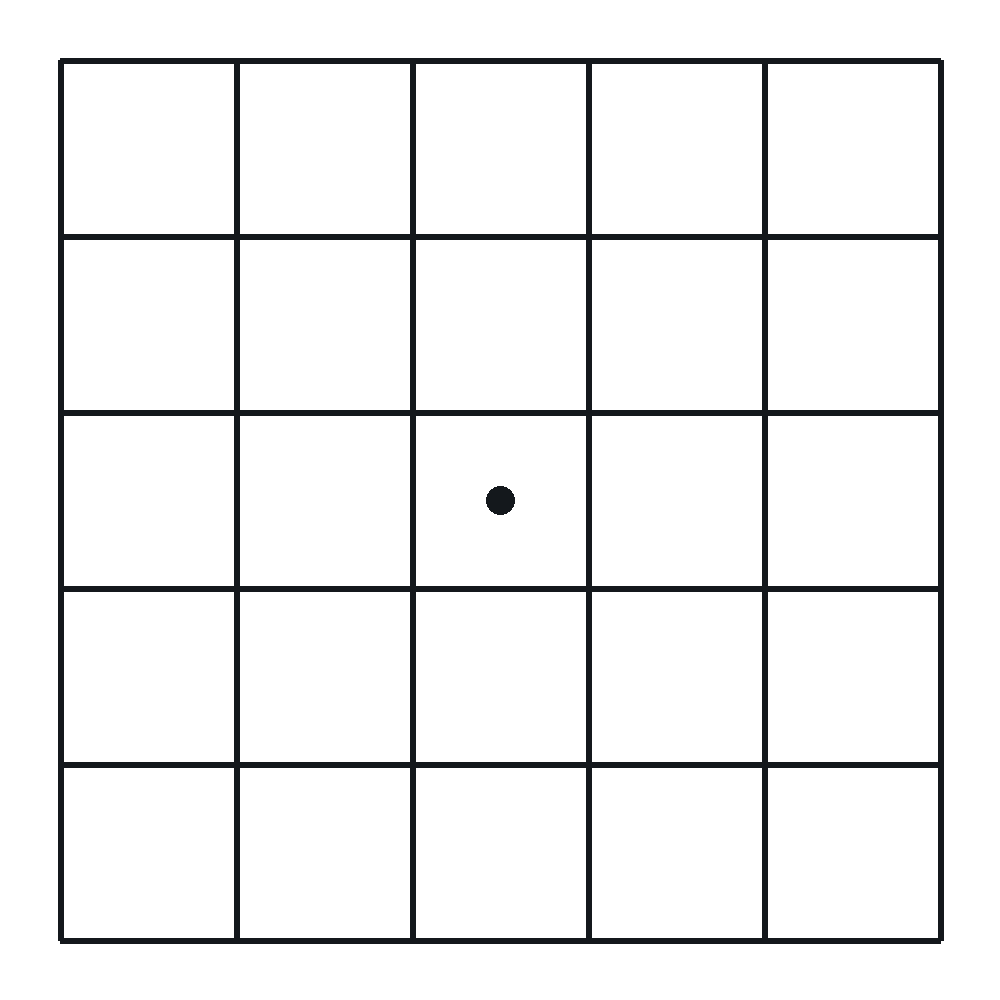
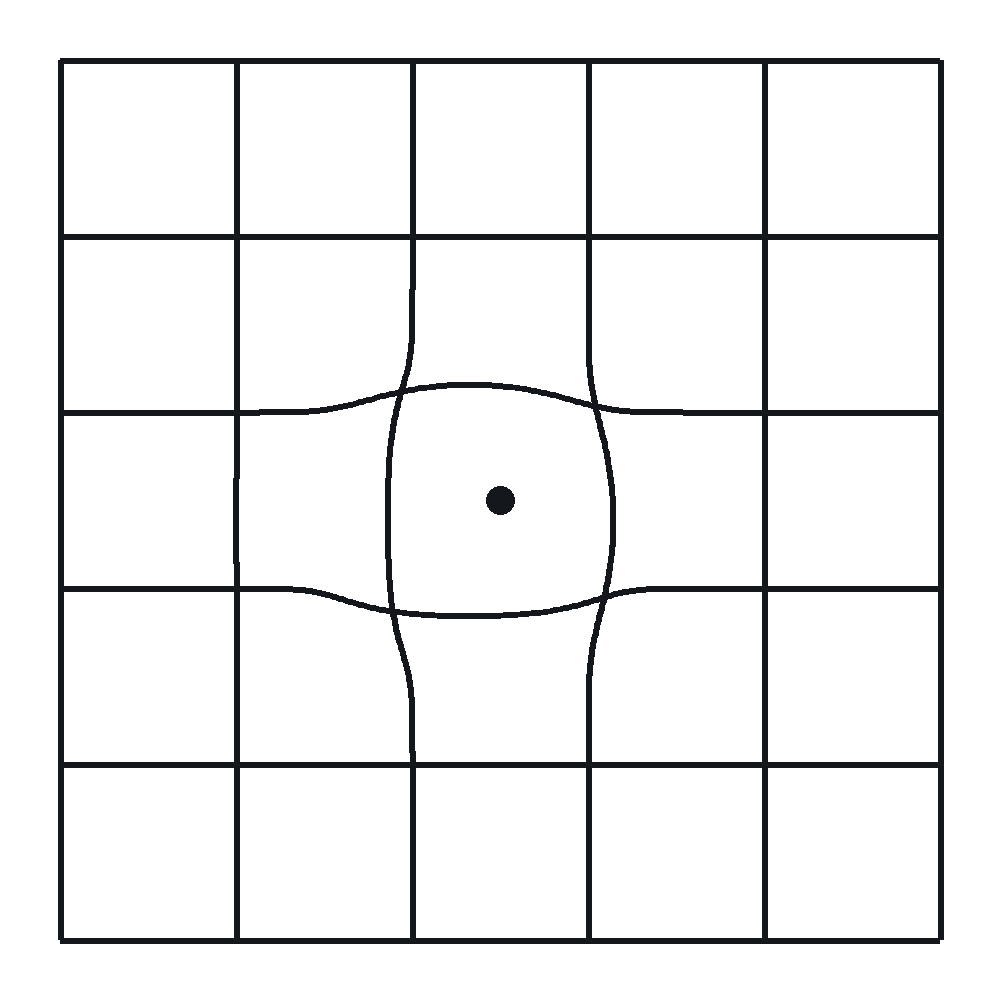
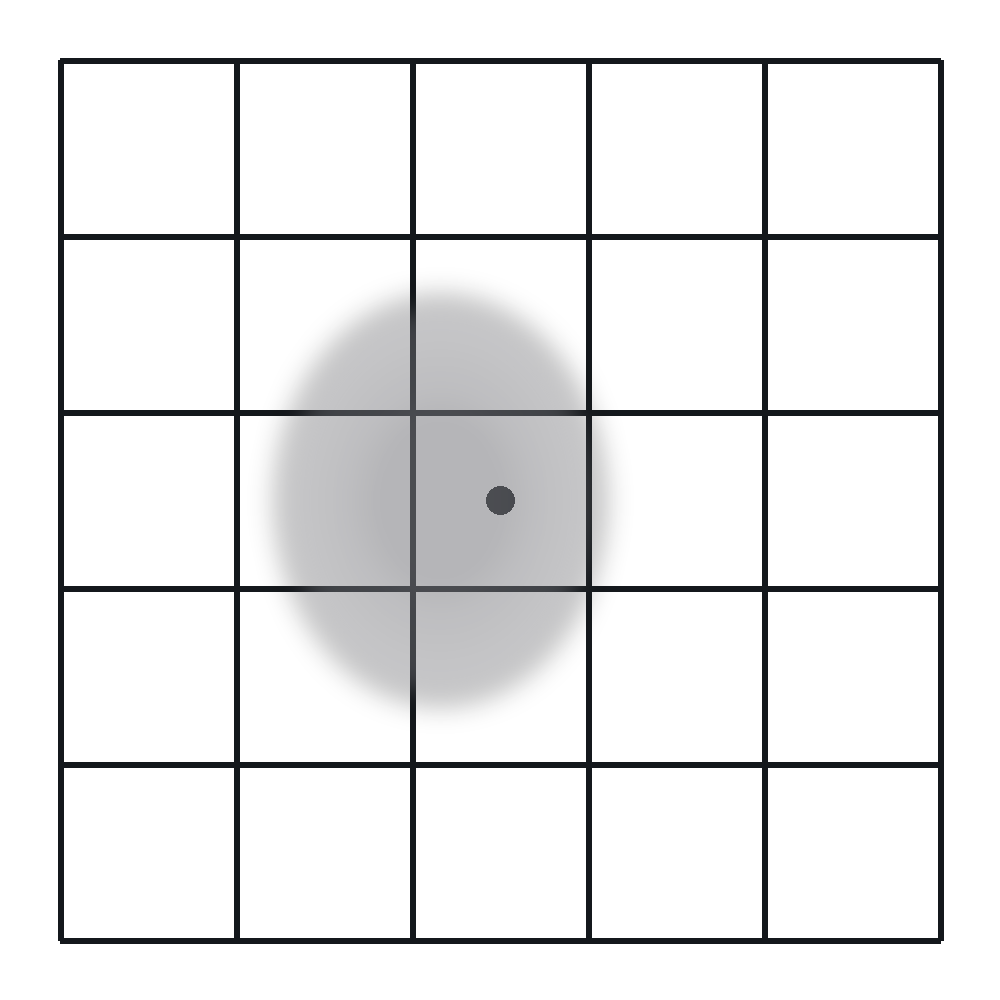
With macular pucker, the contracting membrane wrinkles the retina, which makes straight lines look wavy or bent, often with mild blur and sometimes objects appearing slightly different sizes between the two eyes. This distortion is usually stable or slowly progressive. A sudden increase in waviness, a new blind spot, or a gray area warrants an exam sooner rather than later.
Most puckers are mild and stable, and observation is a legitimate plan. The grid catches change: if distortion is worsening to the point it interferes with reading or driving, that is the conversation to have with a retina specialist about whether surgery (vitrectomy + membrane peel) is right for you. Surgery is elective, but it tends to work best when vision is still relatively good.
Check the grid shortly after your exam to establish your personal baseline. Some waviness is expected with a pucker — that is the condition. The warning sign is a new area of distortion, an enlarged area, or a new blind spot.
Source: BrightFocus Foundation, Macular Degeneration Research. This test does not replace regular eye exams.
There's no shortage of people selling 'retina-repair' protocols. None of them can peel a membrane, and none of them are studied.
Eye exercises or vision therapy — nothing can 'stretch' a contracted membrane
AREDS2 or any supplement — that formula targets AMD, not ERM
Eye drops or injections — there is no medical (non-surgical) therapy for ERM
Amsler-grid practice — the grid monitors change; it does not treat the pucker
Stable, mild pucker? Annual dilated exam with OCT is fine. Distortion or blur that interferes with reading, driving, or daily life? See a retina specialist — surgery is elective and most successful when vision is still relatively good, so don't wait until you can't function. Any red flag above? Call today, not next week.
Medical information reviewed by NP Bate, Ed.S. • Last reviewed: 2026-08-09 • Not a substitute for professional care.